AI Wearable Explained Beyond Smartphones and Apps

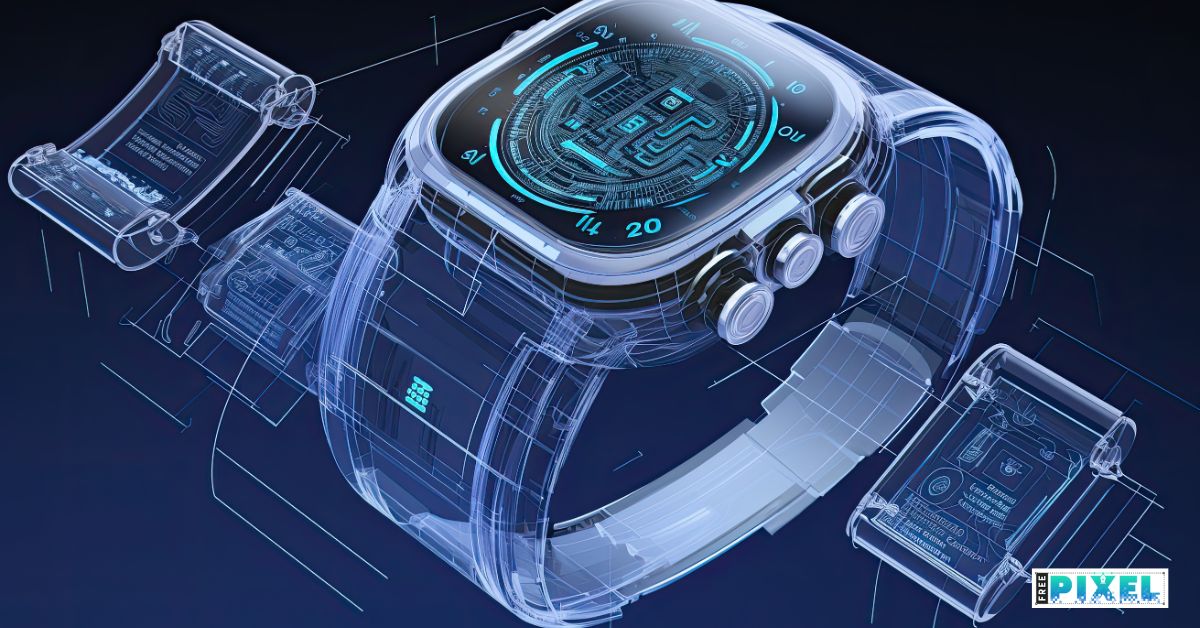
Technology is moving beyond screens and touch-based interactions. Although smartphones and apps have shaped digital habits for years, there is now a shift towards devices that blend more naturally into daily life. This is where AI wearable technology comes into focus. Rather than prompting users to constantly open apps or check notifications, these devices operate quietly in the background, providing assistance as required.
Unlike traditional mobile experiences, an AI wearable is designed to be worn continuously, providing a constant sensory experience. They represent a move towards technology that adapts to people rather than demanding their attention.
Moving Beyond App-Centered Technology
For a long time, digital interaction has relied on apps, screens and manual input. Users actively tap, scroll and check information. However, an AI wearable changes this pattern by reducing the friction between humans and technology.
These devices use real-time data, sensors and intelligent processing to understand context. Rather than opening multiple apps, users receive insights automatically, making interactions feel more natural and less disruptive. This shift makes technology feel less like a task and more like a quiet assistant.
How Wearable Intelligence Changes Daily Interaction
A key difference between smartphones and intelligent wearables lies in how people interact with them. While smartphones require conscious attention and active input, wearables work more passively and proactively. They observe patterns, learn routines, and respond without needing constant commands.
Over time, these devices can recognise habits related to movement, rest, and surroundings. This allows them to offer timely suggestions that feel relevant rather than disruptive. The experience becomes smoother because users are not required to manage every interaction step.
Use Cases Beyond Fitness and Notifications
Although most people associate wearables with fitness tracking, an AI wearable has many more applications. These devices can support navigation, accessibility, productivity and personal organisation in subtle ways.
Contextual reminders, adaptive alerts and environment-aware feedback, for example, allow an AI wearable to provide assistance throughout the day without overwhelming the user. This creates value not just for tech enthusiasts, but also for everyday users seeking simplicity.
Why Wearables Are Replacing App Overload
Modern users often feel overwhelmed by notifications, updates and having to switch between apps. An AI-powered wearable device can help to reduce this overload by intelligently filtering information. Only relevant information is delivered based on real-time context.
As an AI wearable recognises patterns, it avoids unnecessary interruptions. The result is better focus, reduced screen time, and a healthier relationship with technology.
The Role of AI in Making Wearables More Human
Artificial intelligence enables wearable technology to evolve from reactive tools into adaptive companions. Instead of only collecting data, these systems interpret information in ways that align with real human behaviour.
By learning user preferences and daily habits, the experience becomes increasingly personalised over time. Interactions feel less mechanical and more intuitive, helping close the gap between technology and genuine human needs.
Privacy and Trust in Wearable Technology
As wearables collect continuous data, trust becomes paramount. Responsible AI wearables prioritise transparency and user control. Clear data policies and customisable settings help users feel confident about how their information is handled.
When designed thoughtfully, an AI wearable can strike a balance between intelligence and privacy, ensuring that convenience does not come at the expense of user comfort or autonomy.
The Future Beyond Screens
The future of digital experiences is all about presence, not screens. Emerging intelligent devices are shaping this shift by blending naturally into daily routines instead of interrupting them. Technology becomes supportive rather than demanding attention.
As these systems become more widely adopted, many app-based interactions may be replaced with seamless, context-aware assistance. This represents a move toward technology that feels integrated, calm, and genuinely helpful in everyday life.
Final Thought
Moving beyond smartphones and apps isn't about removing technology; it's about making it more subtle and human-centred. AI wearables demonstrate how intelligence can exist without constant attention, enabling users to live more naturally while staying informed and supported.
Source
This article is informed by industry reporting and analysis from TechCrunch, including coverage on the development and future direction of wearable artificial intelligence devices beyond smartphones and traditional apps.
FAQs
What makes wearable technology different from smartphone-based apps?
Wearable technology operates continuously in the background, reducing the need for active screen interaction and allowing users to receive insights without opening or managing multiple applications.
How does an AI wearable improve everyday user experience?
An AI wearable learns user habits over time and delivers context-aware support, helping reduce information overload and making technology feel more natural and less distracting.
Is wearable technology suitable for non-technical users?
Yes, most wearable devices are designed for everyday use, with simple interactions and automated insights that do not require technical knowledge.
Are wearable devices meant to replace smartphones completely?
No, wearables are designed to complement smartphones by handling certain tasks passively, while phones remain useful for more complex or detailed interactions.
What should users consider before adopting an AI wearable?
Users should consider comfort, privacy controls, data transparency, and how well the device fits into their daily routine before adopting new wearable technology.
Read Also


Jun 13, 2022
4 Best Membership WordPress Plugins
Having a membership website will increase your reputation and strengthen your engagement w


Comments (0)