Can AI Enhance Human Creativity? Finding the Right Balance

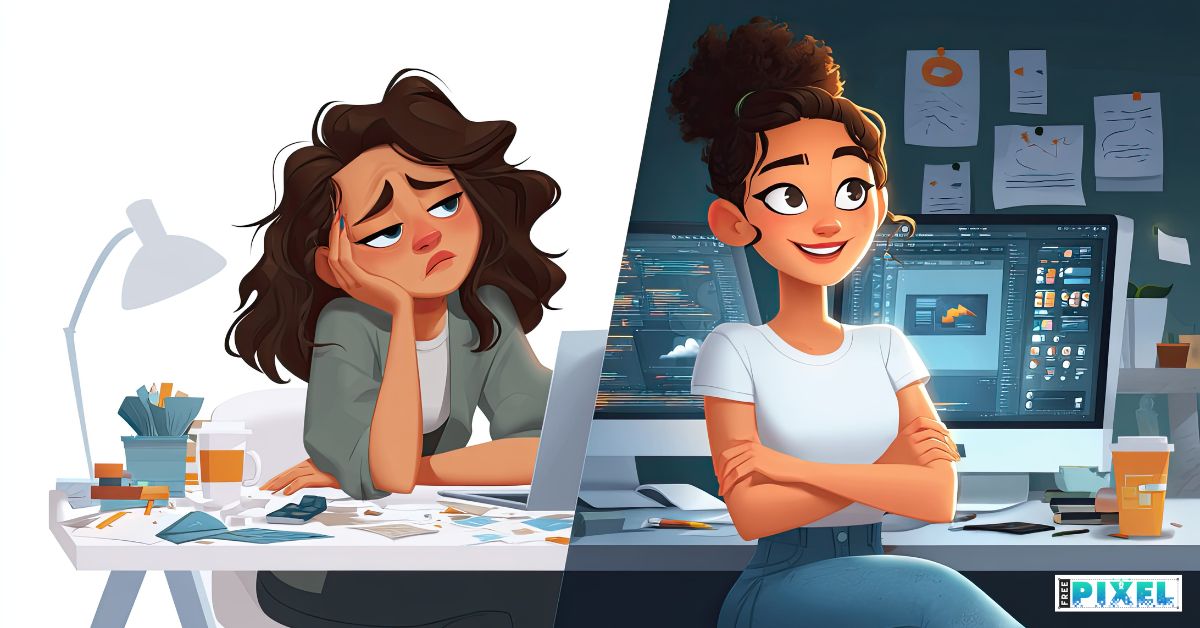
Can machines really make humans more creative?
This question is becoming more common as artificial intelligence becomes more common in writing, design, marketing, music and art. Many people worry that this will make it less creative. This fear is understandable, but it often misses the bigger picture of how AI enhance human creativity when used correctly.
AI is not here to replace imagination or originality. Instead, it works best as a support system that helps humans think faster, explore ideas, and overcome creative obstacles. The key is to find the right balance between automation and human insight.
In this blog, we'll explore how AI can enhance creativity, where humans must stay in control, and how to use AI responsibly without losing originality.
Understanding the Role of AI in Creativity
AI works by learning from existing data, patterns, and examples.
It analyzes information quickly and suggests possibilities based on what already exists. Humans, on the other hand, create from emotion, experience, and imagination.
This difference matters because creativity is not just about producing something new. It is about meaning, intention, and emotional connection. AI can support the process, but humans define the purpose.
When aligned properly, AI enhances human creativity by speeding up thinking while humans guide direction and depth.
How AI Can Enhance Human Creativity
AI can help people to be more creative by making the process easier.
Instead of spending time on repetitive or time-consuming tasks, creators can focus more on ideas and expression.
AI can help creators think of ideas, try different options and test lots of ideas quickly. This means there is more room to try new things and come up with new ideas.
If you use it in the right way, AI can help you be more creative.
Where Human Creativity Still Leads
Human creativity comes from lived experiences, emotions, and personal perspective.
AI cannot feel joy, frustration, curiosity, or inspiration.
These emotional elements are essential in storytelling, art, and communication. Audiences connect with honesty and authenticity, not automation alone.
This is why AI Enhance Human Creativity only when humans remain in control of final decisions and creative direction.
AI Enhance Human Creativity in Content Creation
Content creation is a great example of working together.
AI can help with research, outlines, planning keywords, SEO structure and formatting.
Humans are good at storytelling, showing empathy, making things clear and connecting them to the real world. Readers want content that feels relatable and useful, not robotic.
If creators use AI in the right way, they can make content that is easy to find and really valuable.
Creativity in the AI Era: Changing the Way We Work
The way we create things today is different from how we used to do it.
Creators are expected to produce more content, faster, and across multiple platforms.
AI helps manage this demand by increasing speed and efficiency. But being fast doesn't automatically mean being good.
Finding the right balance means using AI to handle the volume, while humans focus on originality and insight.
Common Misconceptions About AI and Creativity
Many people think that AI stops creativity.
The truth is, if you don't use AI in the right way, you'll just get generic results, not AI itself.
Another myth is that AI can create on its own.
AI only works based on instructions and existing data provided by humans.
If creators understand these wrong ideas, they can use AI without worrying.
Practical Ways to Use AI Without Losing Creativity
To make sure creativity stays human-driven, creators should follow these simple guidelines:
- Use AI to get ideas, not to create the final product.
- It's important to always review and personalise your results.
- Add your own thoughts and experiences.
- Don't just copy what the AI says without thinking.
- Think of AI as someone who can help you come up with ideas.
These practices help creators benefit from AI without losing their own creativity.
AI Enhance Human Creativity in Design and Visual Work
Designers use AI to explore different layouts, colours and visual ideas.
AI speeds up experimentation and reduces the amount of effort that needs to be put in by hand.
But the final design will still depend on human taste, understanding of culture, and the emotional impact. AI offers options, but humans choose what feels right.
This partnership lets designers work faster while keeping creative control.
The Balance Between Automation and Imagination
If you automate too much, you might end up with repetitive output.
If there is not enough automation, progress slows down.
The key is to let AI help with creativity without taking over. Humans should always act with intent and purpose.
When balanced correctly, AI can enhance human creativity rather than limit it.
Why Balance Matters More Than Technology
Technology will keep on getting better.
The important thing is how people use it.
Creators who understand balance will stand out because their work will feel both efficient and authentic. People who depend completely on automation may find it hard to build trust with audiences.
People are still better at creative tasks than computers.
The Future of Creativity With AI
In the future, creativity will be all about working together, not competing.
AI will keep helping with new ideas, production, and making improvements.
Humans will continue to provide vision, emotion and meaning. They will work together to create a new way of doing creative work.
People who learn to work together in this way will be able to adapt more quickly and stay up to date.
Conclusion: Finding the Right Creative Balance
So, can AI truly enhance creativity?
Yes—but only when humans stay in control.
AI Enhance Human Creativity by supporting ideas, reducing workload, and opening space for innovation. Creativity still begins with human imagination and ends with human judgment.
By treating AI as a tool rather than a replacement, creators can achieve better results without losing originality or authenticity.
FAQs
Can AI Enhance Human Creativity Effectively?
Yes. AI enhances creativity by supporting brainstorming, speed, and efficiency while humans provide originality and emotional depth.
Does using AI make creative work less authentic?
No. Authenticity depends on how AI is used. Human input and personalization preserve originality.
Is AI suitable for beginner creators?
Yes. AI helps beginners learn structure, explore ideas, and improve productivity while developing creative skills.
How can creators balance AI and creativity?
Creators should use AI for assistance, always refine outputs manually, and add personal insight to every piece of work.
Read Also


Jun 13, 2022
4 Best Membership WordPress Plugins
Having a membership website will increase your reputation and strengthen your engagement w


Comments (0)