Landscape Photography Workflow: From Planning to Capture

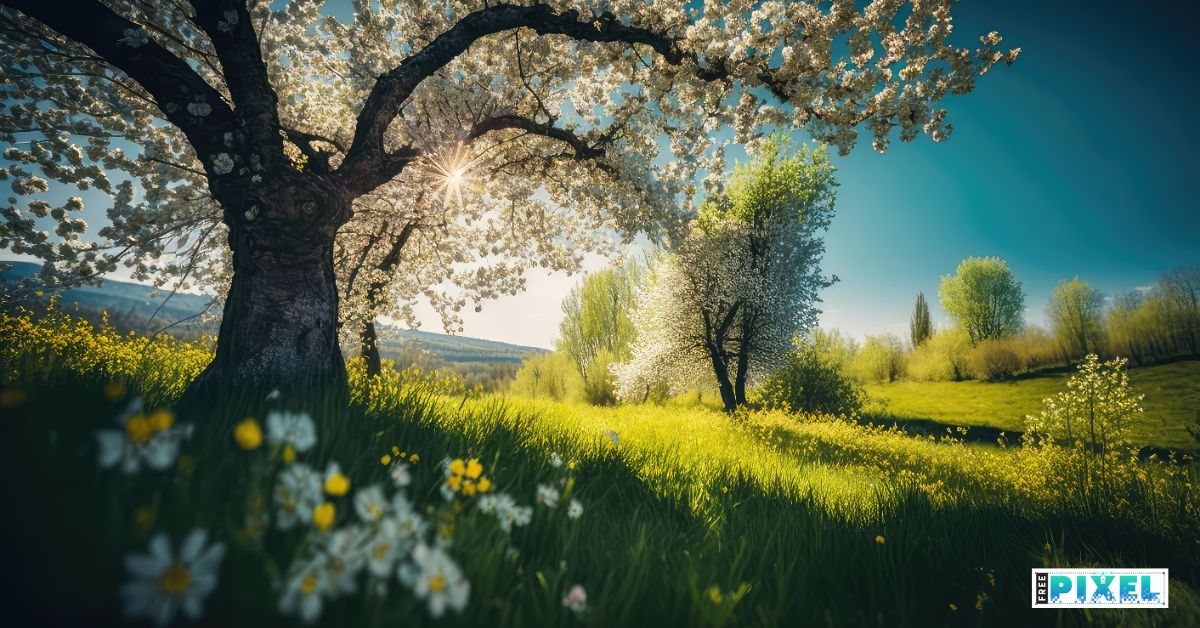
Creating powerful outdoor images is not only about being at the right place, but also about following a thoughtful process from start to finish. Landscape photography requires patience, preparation, and an understanding of how natural elements come together in a frame. A clear workflow helps photographers stay organised and make better creative decisions in the field.
This guide breaks down the complete journey—from early planning to pressing the shutter—so you can approach each shoot with confidence and intention.
Quick Summary
- A clear workflow helps photographers plan, shoot, and capture landscapes with purpose.
- Researching locations, light, and weather improves decision-making before the shoot.
- Thoughtful composition and patience in the field lead to stronger results.
- Gear supports creativity, but timing and observation matter more.
- Reviewing images after the shoot helps refine future landscape photography workflows.
Understanding the Importance of a Workflow
A workflow helps you to plan your work. Instead of just reacting to a situation, you move with a clear purpose, knowing what to look for and how to respond to changing conditions. This approach is especially useful for landscape photography because the weather, light and location can change quickly.
If you have a process that you can repeat, you will also be less likely to miss opportunities and you will be able to focus on storytelling rather than technical problems.
Step 1: Researching Locations in Advance
Every successful shoot starts long before you arrive at the destination. Research helps you picture what a place looks like and understand what makes it special.
Here are some important things to research:
- The land and how easy it is to get to.
- The best places to look and the best views
- Changes that happen in the seasons
- Directions for sunrise and sunset.
Photographers often use maps, local guides, and pictures from collections that have been put together.
Step 2: Planning Around Light and Weather
Light can make a scene feel different. Knowing how it interacts with mountains, water or open land means you can plan the best time to take a photo. When taking photos of landscapes, the light is usually more important than the subject.
Here are some things to think about:
- The best time for soft highlights is golden hour.
- The time of day when it is calm and quiet.
- Make sure the sky is covered with clouds so that the photo is evenly lit.
- Stormy weather is used to create a dramatic effect.
Weather apps and forecasting tools are really important, but it's also good to be flexible if things change suddenly.
Step 3: Visualising the Final Image
Before setting up your camera, picture what you want it to look like. Ask yourself what the most important subject is and how the other parts guide the viewer's eye. This step is often overlooked, but it's really important for creating strong compositions.
When taking photos of landscapes, it helps to think about the size of things, the patterns, and the atmosphere. It also stops you taking unnecessary photos that don't fit with your creative goal.
Step 4: Choosing the Right Gear
The gear you choose should make it easy for you to see, not hard. While advanced equipment can help, it's more important to know how to use the equipment you have.
Here are some of the most important things to think about:
- Lenses that take a wide or mid-range view of the world.
- This tripod keeps things steady.
- Filters to help you control the light.
- You will need extra batteries and memory cards.
Many beginners think that equipment is the most important thing, but experienced landscape photographers focus more on preparation and timing than equipment alone.
Step 5: Composing the Scene Thoughtfully
Composition is the way you arrange the elements in a scene to make it look like a photograph. Look for balance, depth, and natural lines that guide attention. Elements in the foreground can make a picture more interesting, but only if they are used carefully.
Some common ways to compose a piece are:
- The most important information
- Rule of thirds
- Using natural materials to create a frame
- Add a layer of the foreground, middle and background.
Step 6: Camera Settings and Field Adjustments
When you've got the composition right, adjust your camera settings to match the conditions. When taking photos of landscapes, it's often better to take your time and think about each setting. This allows you to get it just right.
Focus on:
- This is how you control the depth of field.
- The aim is to manage noise.
- The speed of the camera's shutter, whether it is set to take a photo when there is movement or to take a photo when there is no movement.
Take test shots and check them carefully before taking the final shot.
Step 7: Waiting for the Right Moment
If you want to be an outdoor photographer, you need to be patient. Light changes, clouds move, and shadows keep the scene fresh. Sometimes the best image appears after waiting a long time.
This step separates casual shooting from intentional landscape photography, where timing becomes part of the creative process rather than an obstacle.
Step 8: Capturing with Purpose
When the moment arrives, take the photo. Don't try to do too much; focus on doing a few things really well. Each frame should match your original vision.
Experienced photographers often take a few different photos, changing the composition slightly, but always stay aligned with the planned result of the photo shoot.
Step 9: Reviewing and Learning After the Shoot
The workflow doesn't end in the field. Looking again at your images will help you understand what was good and what wasn't. This will help you to get better results in future.
Final Thoughts on Building Consistency
A strong workflow helps you to be more creative and makes it easier to repeat the same process every time. Photographers who plan carefully, take the time to observe, and deliberately choose what to photograph can take great pictures outdoors.
The more you practise landscape photography, the more important it becomes to think about every detail. This is because, in landscape photography, the final result depends on each decision you make.
Reference
This blog shares practical tips inspired by educational content from the [FreePixel blog], which focuses on creative workflows and visual storytelling in photography to help photographers plan and capture stronger outdoor images.
FAQs
What is a landscape photography workflow?
A landscape photography workflow is a step-by-step approach that guides photographers from planning a shoot to capturing the final image. It helps organise decisions related to location, light, composition, and timing.
Why is planning important before going out to shoot landscapes?
Planning helps photographers understand the location, anticipate light conditions, and prepare for weather changes. This reduces guesswork in the field and increases the chances of capturing meaningful images.
How much time should be spent waiting for the right moment?
There is no fixed rule. Some scenes require only a few minutes, while others may need hours of patience. Waiting allows photographers to capture the best light and atmosphere as conditions evolve.
Do beginners need advanced equipment for landscape photography?
No. Beginners can create strong images with basic gear by focusing on composition, timing, and careful observation rather than relying on expensive equipment.
How can photographers improve after a shoot?
Reviewing images after the shoot helps identify strengths and areas for improvement. Comparing results with educational examples and trusted photography resources can also refine future workflows.
Read Also


Jun 13, 2022
4 Best Membership WordPress Plugins
Having a membership website will increase your reputation and strengthen your engagement w


Comments (0)