Pongal Festival Explained: Meaning, Traditions, and Significance

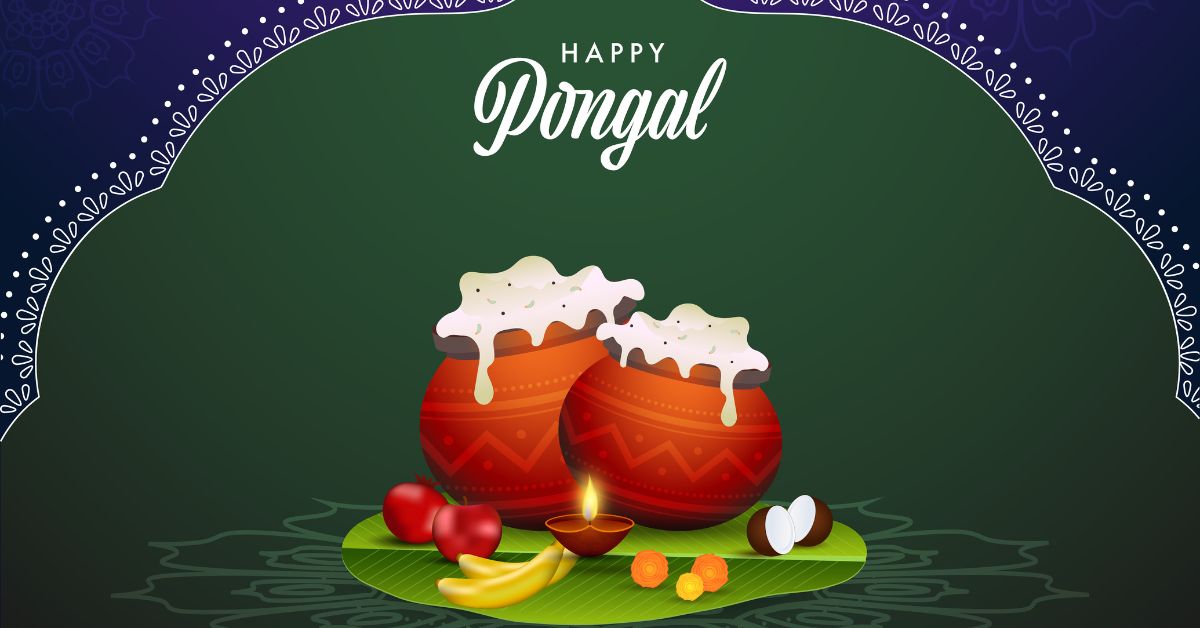
The Pongal Festival is one of the most joyful harvest celebrations in South India, especially in Tamil Nadu. This festival is all about celebrating the Sun, the land, cattle, and farmers who keep our lives going. Unlike many religious events, it focuses more on thankfulness, prosperity, and harmony between humans and nature.
The Pongal is celebrated every year in January. It marks the start of the harvest season and the Sun's journey northwards. It is a time when families come together, homes are cleaned and decorated, and traditional rituals are performed to welcome good luck and positivity into life.
Quick Summary
- The Pongal Festival is a major South Indian harvest celebration
- It honors the Sun, nature, farmers, and cattle
- Celebrated over four days with unique rituals
- Food, gratitude, and unity are central themes
- It remains culturally and socially relevant
What Is the Pongal Festival?
The Pongal Festival is a multi-day celebration of the harvest. It is a time to express gratitude to nature for a successful farming season. The word "Pongal" means "to boil over", and is a symbol of abundance, prosperity and happiness.
The celebration is all about a traditional dish called Pongal, which is made by boiling new rice with milk and jaggery. When the pot overflows, it is a sign that good things will happen in the coming year.
Why This Festival Is Celebrated
This celebration is all about celebrating the sun, rain, soil, and cattle, because they all help crops to grow. For many years, farming has been an important part of Tamil culture, and the festival shows a great respect for farming and the natural world.
It also marks the end of winter and the start of longer days. Ancient communities were very aware of this change in the seasons, which made the festival important for both culture and science.
Connection Between Harvest and Seasonal Change
Harvest festivals exist across the world, but the Pongal Festival is unique because it is based on South Indian traditions. Farmers collect crops like rice, sugarcane, and turmeric at this time and celebrate how hard they have worked.
By focusing on nature and farming, the festival reminds us of how important these things are, even in cities.
The Four Days of the Festival
This festival is celebrated over four meaningful days, and each day has its own customs and values.
Bhogi
The first day is all about feeling new and fresh. Old things are thrown away, homes are cleaned, and people symbolically let go of negativity, welcoming fresh starts.
Thai Pongal
The main day is all about the Sun. Families prepare the traditional dish outside and are thankful for warmth, light, and energy.
Mattu Pongal
This day is all about celebrating the important role of cattle in farming. People bathe, decorate and worship cows and bulls as symbols of strength and support.
Kaanum Pongal
The last day is all about team building. Families visit relatives, enjoy outdoor gatherings, and strengthen relationships.
Traditional Rituals and Practices
The Pongal is a time for simple yet meaningful rituals. Homes are decorated with kolam designs made from rice flour. These designs symbolise prosperity and welcome.
Clay pots are important in their cooking, and they pray and share food together. These traditions encourage people to be thankful, to live in harmony with nature, and to respect the environment.
Special Foods Prepared During the Festival
Food is a big part of the Pongal. Sweet Pongal is the most important dish. It is made with rice, milk, jaggery, nuts, and ghee.
People also share savoury Pongal, sugarcane, coconut-based foods and traditional sweets. Offering food to others is a way of showing generosity and working together.
Cultural Importance in South India
The Pongal Festival is a celebration of Tamil identity, values, and respect for nature. It shows how important food, farming, and looking after each other are.
The celebration encourages people to take a break, enjoy small pleasures, and reconnect with their cultural roots.
Community Bonding and Togetherness
A big part of the Pongal is getting the community together. People come together in villages and neighbourhoods to eat, watch TV, and play traditional games.
Festivals bring people together through rituals and celebrations. This strengthens social ties and promotes unity beyond individual households.
Spiritual Meaning and Positive Intentions
Spiritually, the Pongal represents a balance between humans and nature. Honouring the Sun shows that people believe that all life depends on natural forces.
Many people use this time to think about the past year, say thank you, and make good plans for the year ahead.
Modern-Day Celebrations
Although the main traditions haven't changed, the Pongal has adapted to modern life. Families in the city might celebrate indoors, while families in the countryside might have big outdoor parties.
Schools, offices and cultural organisations also organise events to help younger generations connect with tradition.
Why This Festival Still Matters Today
In today's fast-paced world, this celebration reminds people to stop, appreciate nature, and be grateful. It encourages people to be more aware of the environment, to respect food, and to recognise how hard farmers work.
The festival also shows that tradition and modern life can exist together. The values it promotes – gratitude, balance and community – are still important today, even though people's lifestyles are changing.
Conclusion
The Pongal Festival is a celebration of life, nature, and gratitude. It is based on farming and tradition, and brings families and communities together to show how thankful they are.
By understanding what it means, why it is done, and its cultural value, we can see why this festival continues to be so important in Indian society. It reminds us that true prosperity comes from living in harmony with nature and with one another.
Frequently Asked Questions
What is the Pongal Festival and why is it celebrated?
The Pongal Festival is a harvest celebration that thanks the Sun, nature, and farmers for a successful agricultural season.
How many days is it celebrated?
It is celebrated over four days, each with its own rituals and meaning.
What does the Pongal dish symbolize?
It represents abundance, prosperity, and gratitude toward nature.
Is it celebrated only in Tamil Nadu?
While most prominent there, Tamil communities across the world celebrate it.
Why are cattle honored during the festival?
Cattle are respected for their vital role in farming and rural life.
Read Also


Jun 13, 2022
4 Best Membership WordPress Plugins
Having a membership website will increase your reputation and strengthen your engagement w


Comments (0)